

WHAT IS SEROTONIN ?
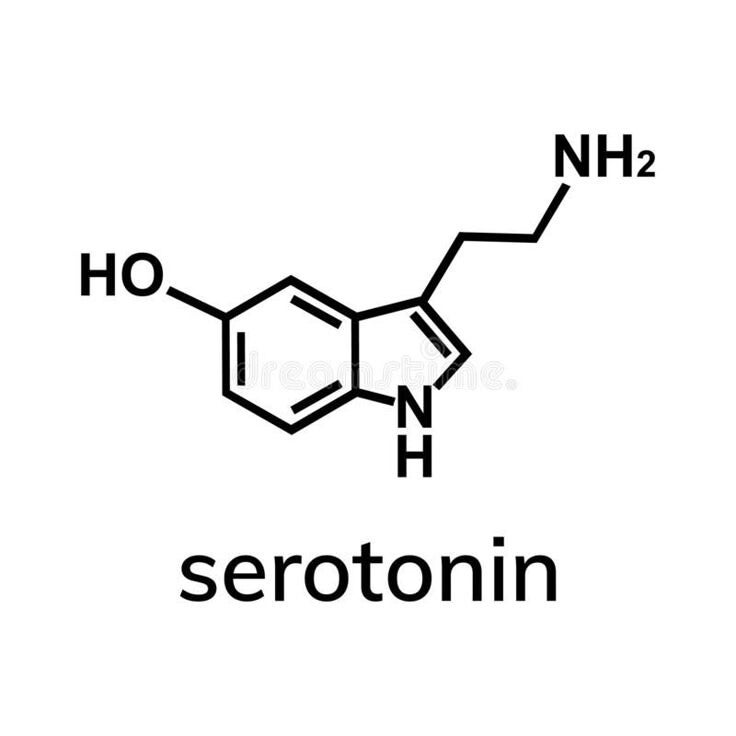
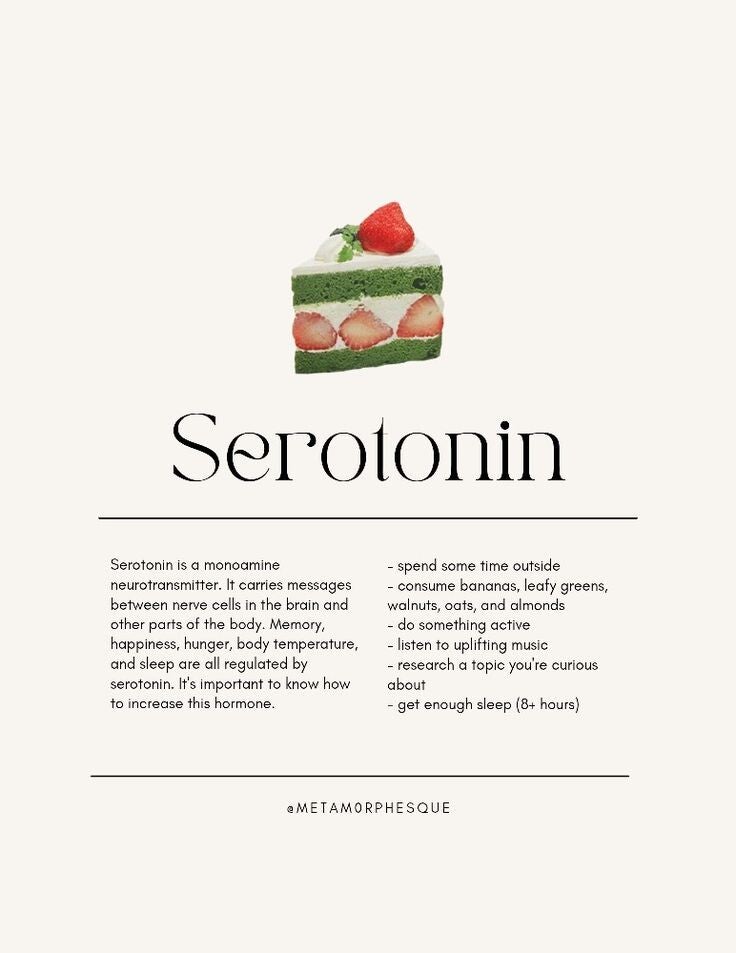
Serotonin is a chemical messenger, also called a neurotransmitter, that helps nerve cells communicate with one another throughout the body. It is best known for its role in regulating mood, but serotonin also contributes to many important functions, including sleep, appetite, digestion, memory, learning, and the way the body responds to stress.
Most of the body's serotonin is actually produced in the digestive system, where it helps regulate the movement and function of the gastrointestinal tract. A smaller amount is produced in the brain, where serotonin acts as a neurotransmitter involved in communication between nerve cells.
Serotonin is sometimes called the “feel-good chemical,” but this nickname can be misleading. Serotonin does not simply determine whether you feel happy or unhappy. Instead, it works as part of a much larger and more complex system involving the brain, nervous system, hormones, digestion, environment, and daily experiences.
In simple terms, serotonin helps your body and brain communicate and regulate important processes that influence how you function and feel.
30 Natural Ways to Support Serotonin & Feel-Good Wellness
- ☀️ Sunlight — Natural daylight supports healthy serotonin signaling and helps regulate your body clock.
- 🥚 Eggs — Provide tryptophan and other nutrients needed for neurotransmitter production.
- 🦃 Turkey — A source of tryptophan, an amino acid used to make serotonin.
- 🐟 Salmon — Provides protein and omega-3 fats that support brain health.
- 🥜 Nuts — Almonds, walnuts, and other nuts provide nutrients important for brain function.
- 🌱 Seeds — Pumpkin, sunflower, chia, and sesame seeds provide tryptophan and minerals.
- 🍌 Bananas — A nutritious source of carbohydrates and several vitamins and minerals.
- 🥑 Avocados — Provide healthy fats, fiber, and nutrients that support overall wellness.
- 🍫 Dark chocolate — In moderation, it can be part of an enjoyable, mood-supportive diet.
- 🥛 Milk & yogurt — Dairy foods can provide tryptophan along with protein.
- 🫘 Beans & lentils — Plant-based sources of protein and tryptophan.
- 🌾 Oats — Whole grains provide carbohydrates and nutrients that support a balanced diet.
- 🥬 Leafy greens — Spinach, kale, and other greens provide folate and magnesium.
- 🫐 Berries — Rich in antioxidants and a great addition to a nutrient-dense diet.
- 🍊 Citrus fruits — Oranges, grapefruit, and other citrus fruits provide vitamin C and hydration.
- 🥦 Cruciferous vegetables — Broccoli, Brussels sprouts, and cauliflower support overall nutritional health.
- 🥝 Kiwi — Provides vitamin C, fiber, and other nutrients.
- 🧘 Meditation — A regular mindfulness practice can help reduce stress and support emotional well-being.
- 🚶 Walking — Regular movement is associated with improved mood and mental well-being.
- 🏃 Exercise — Physical activity can influence serotonin and other mood-related neurotransmitter systems.
- 🎶 Listening to music — Enjoyable music can promote positive emotions and relaxation.
- 💃 Dancing — Combines physical activity, music, and social connection.
- 😴 Quality sleep — Consistent, restorative sleep supports healthy brain and mood regulation.
- 🌳 Spending time in nature — Green spaces can encourage relaxation and reduce everyday stress.
- 😂 Laughter — Genuine laughter can improve mood and create feelings of connection.
- ❤️ Love & affection — Healthy relationships and positive social interactions support emotional well-being.
- 🤗 Hugs & physical connection — Safe, consensual physical affection can promote feelings of comfort and connection.
- 🎨 Creative expression — Painting, writing, cooking, photography, and other creative activities can be emotionally rewarding.
- 🙏 Gratitude & prayer — Practices that encourage gratitude, reflection, or spiritual connection can support a positive mindset.
- 🌸 Joyful everyday experiences — Good food, fresh air, hobbies, meaningful conversations, and moments of peace can all contribute to a healthier, happier lifestyle.
Add comment
Comments