Pheromones are chemical signals produced by living organisms that can influence the behavior or physiology of others of the same species. In the animal kingdom, they play important roles in communication, reproduction, and social behavior.
In humans, however, the science is more complicated. Researchers have explored whether body odor and chemical signals influence attraction, mood, and social perception, but there is currently no conclusive evidence that humans have a specific pheromone that reliably triggers romantic attraction.
Pheromones vs. Perfume: What's the difference?
-
Pheromones: Chemical signals involved in communication between members of the same species.
-
Perfume: Fragrances created using aromatic ingredients to produce a particular scent.
-
Body chemistry: Natural skin characteristics that influence how personal fragrances develop and smell.
-
Scent association: The connection between particular fragrances, memories, emotions, and experiences.
The Connection Between Scent and Attraction
Scent is closely connected to memory, emotion, and perception. A particular fragrance can remind someone of a person, a special occasion, or a familiar environment.
This connection helps explain why fragrance can feel so personal.
Some people gravitate toward warm vanilla fragrances, while others prefer fresh citrus, delicate florals, or deeper woody notes. These preferences are subjective, and the way a fragrance develops can vary depending on individual skin chemistry.
A beautiful scent doesn't necessarily need to be overpowering to leave an impression. Sometimes, a subtle fragrance becomes the most memorable part of someone's presence.

Understanding Pheromone Perfume
Pheromone perfumes have gained attention in the modern beauty market, with products marketed around confidence, sensuality, and attraction.
These fragrances often incorporate familiar perfume ingredients and fragrance profiles, including musk, amber, vanilla, and floral notes.
Popular fragrance characteristics include:
-
White musk: Soft, clean, and understated.
-
Vanilla: Warm, sweet, and comforting.
-
Jasmine: Rich, floral, and elegant.
-
Amber: Warm, deep, and enveloping.
-
Sandalwood: Smooth, creamy, and woody.
-
Rose: Romantic, delicate, and timeless.
Although these fragrances can be appealing, there is currently insufficient scientific evidence that commercially marketed pheromone perfumes reliably increase human attraction.
Confidence Is the Real Attraction
While the idea of an invisible chemical signal influencing attraction is fascinating, human connection involves much more than scent. Personality, communication, shared interests, emotional connection, and individual preferences all contribute to attraction.
A signature fragrance can make getting dressed feel more complete, add a personal touch to your beauty routine, and become a memorable part of your everyday identity.
The most interesting part of fragrance is not necessarily its ability to attract someone else, but how it allows you to express yourself.
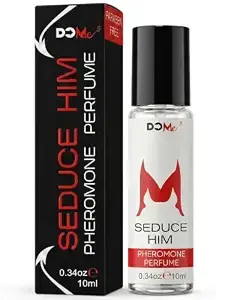
The modern fascination with pheromones reflects our curiosity about the relationship between biology, beauty, and human attraction. Although the science of human pheromones remains inconclusive, the emotional and personal experience of fragrance is undeniable.
From delicate florals to warm musks and sophisticated woods, finding a signature scent is an opportunity to explore your individuality.
After all, fragrance is more than something you wear. It is an invisible accessory, a sensory experience, and sometimes a memory that lingers long after you've left the room.
Add comment
Comments