
You've been going to the gym, eating healthier, walking more, and trying to stay consistent, but the number on the scale refuses to change. For women, weight fluctuations can be influenced by more than just exercise and food.
From hormonal changes and menstrual cycles to muscle development and water retention, your body goes through natural changes that can affect what you see on the scale.
Women's bodies are constantly adapting to hormonal fluctuations, exercise, nutrition, and lifestyle changes. Don't allow one number to determine how you feel about your progress.
Focus on building strength, nourishing your body, improving your endurance, and creating habits that support long-term wellness.
1. Your Hormones May Be Affecting Your Weight
Women's hormones naturally fluctuate throughout the menstrual cycle. Changes in estrogen and progesterone can influence appetite, digestion, bloating, and water retention.
You might notice that your weight increases temporarily before your period, even when your fitness routine hasn't changed.
What to do:
-
Track your menstrual cycle.
-
Stay hydrated.
-
Eat balanced meals.
-
Avoid judging your progress based on one weigh-in.


2. You're Building Muscle While Losing Body Fat
One of the most common reasons women don't see the number on the scale changing is because they're experiencing body recomposition. This happens when your body gradually loses fat while building or maintaining muscle at the same time.
When you incorporate strength training into your fitness routine, your muscles adapt to the additional resistance by becoming stronger and potentially increasing in size. As your body develops muscle and reduces body fat, your overall appearance can change even if your weight stays relatively consistent.
For example, you might notice that your waist looks smaller, your stomach feels firmer, your legs become more defined, and your clothes start fitting differently. These are all possible signs of progress that a traditional scale cannot measure.
It's also important to understand that muscle doesn't magically weigh less than fat. A pound of muscle and a pound of fat weigh exactly the same. However, muscle is denser and takes up less space than the same weight of fat. This is why two women can weigh exactly the same but have noticeably different body compositions.
How to support healthy body recomposition:
-
Prioritize strength training: Incorporate exercises such as squats, lunges, hip thrusts, deadlifts, and resistance training.
-
Eat enough protein: Include foods such as eggs, chicken, salmon, Greek yogurt, beans, and tofu to support muscle repair and development.
-
Increase resistance gradually: Challenge your muscles over time by gradually increasing weights, repetitions, or exercise difficulty.
-
Allow recovery time: Muscles need rest between challenging workouts to repair and adapt.
-
Track more than your weight: Take progress pictures, measure your waist and hips, and pay attention to improvements in strength and endurance.
Remember: If your weight stays the same but your body measurements, strength, and fitness improve, you may be making meaningful progress. Don't let the scale become the only measurement of your transformation.

3. You May Be Experiencing Hormonal Water Retention
Another reason the number on the scale may not be changing is water retention. A woman's body naturally experiences hormonal fluctuations throughout the month, which can influence how much water it holds. Sometimes, what appears to be weight gain is actually temporary fluid retention rather than an increase in body fat.
Estrogen and progesterone fluctuate during the menstrual cycle, and these changes can affect fluid balance, digestion, and bloating. You might notice that your stomach feels fuller, your clothes fit a little tighter, or your weight increases a few days before your period. This is particularly common during the premenstrual phase.
Exercise can also contribute to temporary water retention. When you introduce new workouts, increase your weights, or challenge your muscles more intensely, your body initiates a natural recovery process. This can cause temporary inflammation around the muscles as they repair themselves. Your body may hold additional water during this process, which can make the scale appear unchanged even when you're making progress.
Other everyday factors can contribute to water fluctuations, including:
-
High sodium intake: Eating salty foods can temporarily increase the amount of water your body retains.
-
Carbohydrate consumption: Your body stores carbohydrates as glycogen, which is stored alongside water.
-
Menstrual cycle changes: Hormonal shifts can cause temporary bloating and fluid retention.
-
Intense workouts: Muscle recovery can temporarily influence your weight.
-
Dehydration: Not drinking enough water can affect your body's fluid balance.
How to manage temporary water retention:
-
Stay hydrated: Drink water consistently throughout the day to support normal fluid balance.
-
Eat potassium-rich foods: Incorporate bananas, avocados, spinach, sweet potatoes, and other nutrient-rich foods.
-
Be mindful of sodium: Limit excessive consumption of highly processed and salty foods.
-
Keep moving: Walking, stretching, and gentle physical activity can support circulation.
-
Prioritize recovery: Give your muscles enough time to rest between demanding workouts.
-
Track your menstrual cycle: Compare your weight at similar points in your cycle rather than worrying about daily fluctuations.
Remember: Water weight is not the same as body fat. A temporary increase on the scale doesn't mean your workouts aren't working. Give your body time to adjust, pay attention to longer-term patterns, and avoid making drastic changes to your diet or exercise routine because of a few days of fluctuation.


4. You're Not Eating Enough Protein
One important factor that can influence your fitness results is your daily protein intake. If you're exercising regularly, lifting weights, or incorporating cardio into your routine but not eating enough protein, you may be making it harder for your body to recover, maintain muscle, and develop strength.
Protein is an essential macronutrient that supports muscle repair and growth. Whenever you participate in strength training or other challenging physical activities, your muscles experience small amounts of damage as part of the normal adaptation process. Your body uses amino acids from protein to repair and rebuild muscle tissue, helping you become stronger over time.
For women looking to improve their body composition, protein is especially important because it helps support lean muscle while you work toward reducing body fat. It also plays a role in keeping you satisfied after meals, which may help reduce unnecessary snacking and manage hunger throughout the day.
However, eating more protein doesn't automatically mean you'll lose weight. Your overall nutrition, activity level, recovery, and energy intake all contribute to your results. The goal is to give your body enough nourishment to support your workouts rather than restricting food to force the scale to move.
Protein-rich foods to incorporate into your meals:
-
Eggs: A convenient source of complete protein that works well for breakfast, lunch, or meal preparation.
-
Salmon: Provides protein and omega-3 fatty acids, making it a nutritious addition to a balanced diet.
-
Chicken breast: A versatile, protein-rich option for salads, rice bowls, wraps, and dinner meals.
-
Greek yogurt: Contains protein and can be paired with berries, nuts, chia seeds, or granola.
-
Lentils and beans: Plant-based protein sources that also provide fiber to support digestive health.
-
Tofu and tempeh: Versatile plant-based options that can be added to stir-fries, salads, and grain bowls.
-
Cottage cheese: A convenient protein source that can be enjoyed with fruit or incorporated into savory meals.
5. Stress May Be Affecting Your Progress
Stress is another factor that can influence your body's ability to respond to exercise and maintain a healthy weight. Between work, school, relationships, daily responsibilities, and personal challenges, women often juggle multiple sources of stress without realizing how much they can affect their overall well-being.
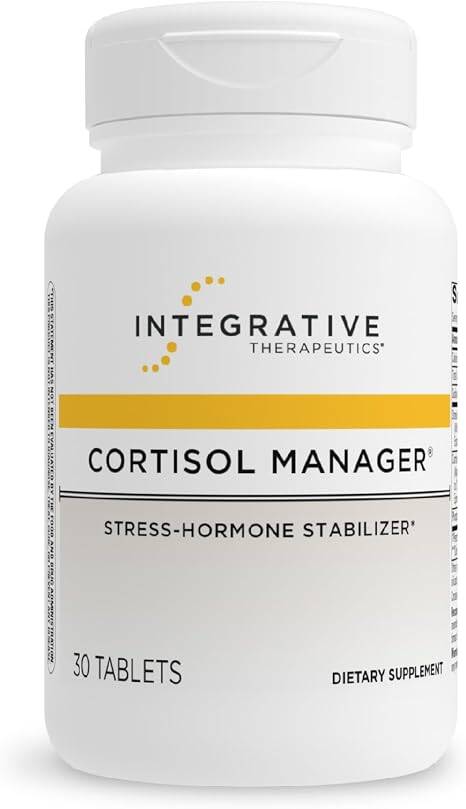
When your body experiences stress, it releases hormones such as cortisol, which help regulate your body's response to challenging situations. Cortisol is a natural and necessary hormone, but prolonged stress can influence several processes related to weight management, including appetite, sleep, energy levels, and food cravings.
For example, when you're constantly stressed, you may find yourself reaching for sugary snacks, skipping meals, experiencing stronger cravings, or feeling too exhausted to complete your usual workout. Some women may also notice changes in their sleep patterns, increased bloating, or difficulty recovering after intense exercise.
How to support your body and manage everyday stress:
1. Incorporate restorative activities: Try yoga, meditation, stretching, journaling, or taking a relaxing walk outdoors.
2. Give yourself rest days: Allow your muscles and body to recover instead of pushing through exhaustion.
3. Spend time outside: Natural daylight and gentle outdoor movement can support your sleep-wake rhythm and overall well-being.
4. Maintain balanced nutrition: Avoid skipping meals or severely restricting calories, especially when exercising regularly.
5. Create a relaxing nighttime routine: Reduce screen time before bed, take a warm shower, and give yourself time to unwind.
6. Set realistic fitness expectations: You don't have to complete an intense workout every day to make meaningful progress.

Add comment
Comments